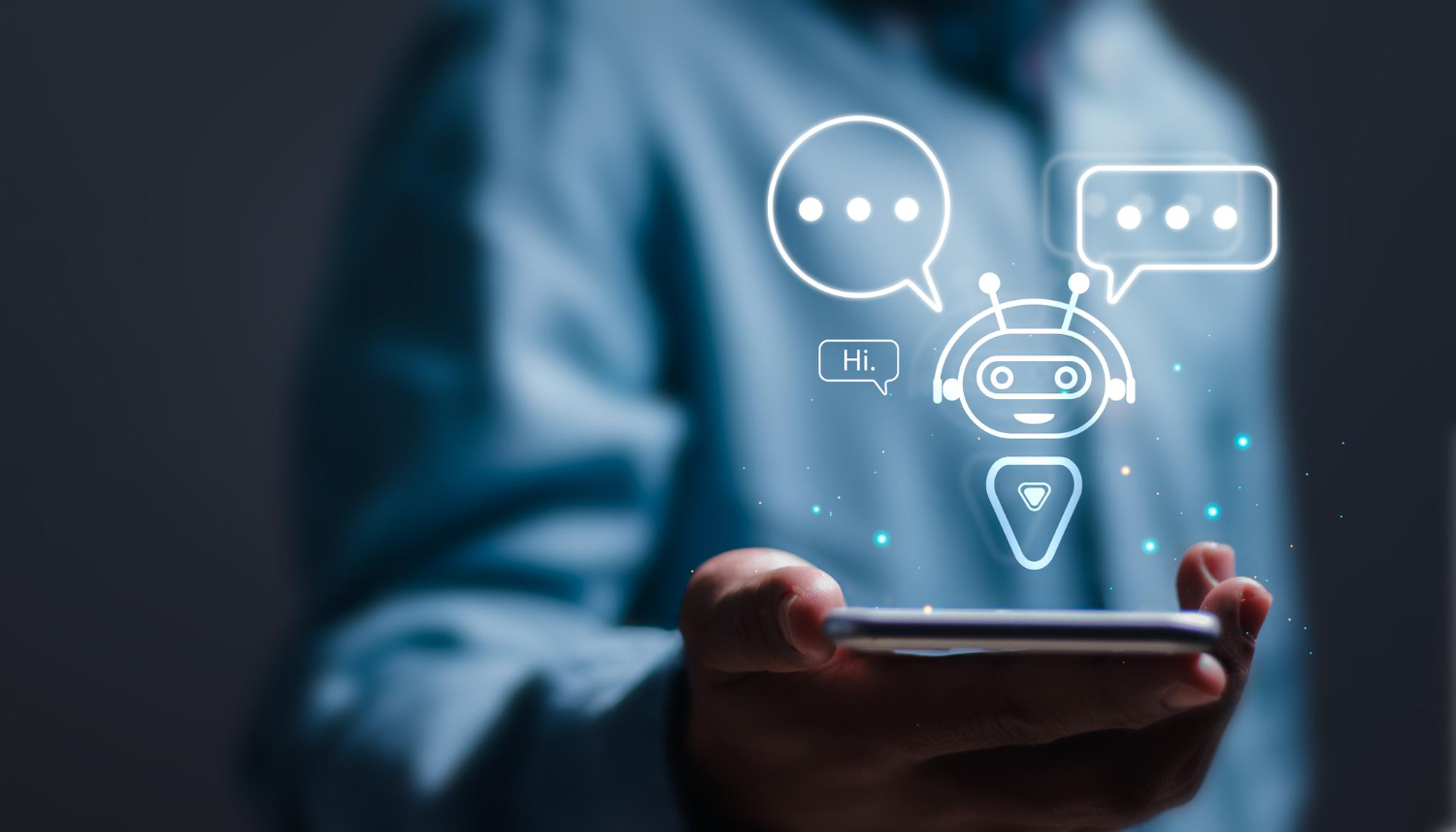
In recent years, emotional AI chatbots have been gaining ground. Designed to interpret human emotions, these tools are revolutionizing the interaction between brands and their customers. Far from being simple conversational robots, they are transforming into empathetic partners serving automation and user experience. However, can we really rely on technology to handle human emotions and understand customer expectations in all their complexity? Let’s explore the strengths and limitations of these intelligent virtual assistants.
- Emotion at the heart of customer experience
Today, companies are no longer just seeking to automate tasks—they also want to build connections with their customers. An emotional AI chatbot, unlike its predecessors, stands out for its ability to react to customer emotions. It can analyze the tone of a message, detect signals of frustration or joy, and adapt its responses accordingly. This makes the user experience more human, more personalized, and more satisfying. For example, KLM’s customer service uses an AI chatbot capable of detecting stress in a passenger running late for a flight. In the case of negative emotions, the bot adapts its language, proposes immediate solutions, and, if necessary, transfers the customer to a human agent. This type of proactive interaction strengthens customer loyalty and enhances brand image. - Support for staff and a performance lever
Beyond improving brand image, emotional AI chatbots also contribute to increased operational benefits through:
Intelligent automation: These chatbots can handle complex tasks while managing the emotional aspect of interactions, something traditional bots could not do. The result is an enhanced experience with higher conversion rates.
Stress reduction for teams: By absorbing the most emotionally charged exchanges, they free up time for human agents, allowing them to step in at the right moment and focus on higher-value tasks.
Round-the-clock availability: Emotional AI chatbots provide empathetic listening without interruption, meeting customer needs at any time of day or night. In mental health, apps like Woebot use emotional AI to support users with anxiety or mild depression. While not a substitute for a professional, the AI chatbot becomes an accessible and caring first line of support. - Technological and ethical limits not to be ignored
As advanced as they are, emotional AI chatbots still have shortcomings that must be considered:
Partial understanding of emotions: Even with natural language processing and analysis of vocal or facial data, an AI chatbot does not always grasp nuance, irony, or sarcasm in human emotions.
Risk of dependency: Some individuals, particularly vulnerable ones, may develop excessive attachment to these bots, raising serious questions about professional excellence and the psychological impact of these technologies.
Privacy risks: Emotion analysis often involves processing highly sensitive personal data. It is crucial to ask where this data goes and who has access to it. A case in point: the chatbot Replika, initially designed as an emotional companion, sparked controversy due to ambiguous relationships with some users. This raises fundamental ethical questions about the limits of human attachment to AI. - A technology oriented toward more human-like artificial intelligence
The rise of emotional AI chatbots raises questions about the vision behind emotional AI and its regulation. It is important to remain objective: artificial intelligence will never replace human emotions and feelings. Therefore, it is wiser to view emotional AI chatbots as technology serving humans—a valuable aid designed to streamline customer relations without ever dehumanizing them.
Emotional AI chatbots are no longer a projection; they are very real. They represent a major advancement in customer relationship automation and user experience enhancement. Despite certain limitations, their potential is immense for companies seeking to get closer to their customers while optimizing internal processes. Now is the time to explore innovative solutions that combine artificial intelligence with human sensitivity.